A custom request has no fixed price list, because no two requests are the same. Each booster reads your description, estimates how many games and hours the goal will take and sends an offer with a price and an expected completion time. The starting point matters most: the rank you hold in the relevant playlist, the target and how far apart they are. A few wins in Gold cost far less than a climb to Grand Champion in a mode with long queues.
The mode itself changes the estimate. Duel, Doubles and Standard have busy queues at most hours, while some Extra Modes are quieter, so matches can take longer to find, especially at high ranks. Rocket League ranks every tier from Bronze to Grand Champion in three ranks, each with four divisions, and Supersonic Legend sits above them, so boosters count the divisions between your start and your goal. The higher and rarer the target, the fewer players can deliver it and the more it is worth.
Extra conditions add effort as well. A strict deadline, games only in certain hours, duo play where you are in the party, or a requirement to use a particular car all narrow what the booster can do and are reflected in the price. Goals that depend on tournaments are tied to the in-game tournament schedule, where a single defeat ends the run, so boosters plan for several attempts. Good offers explain these assumptions so you know what you are paying for.
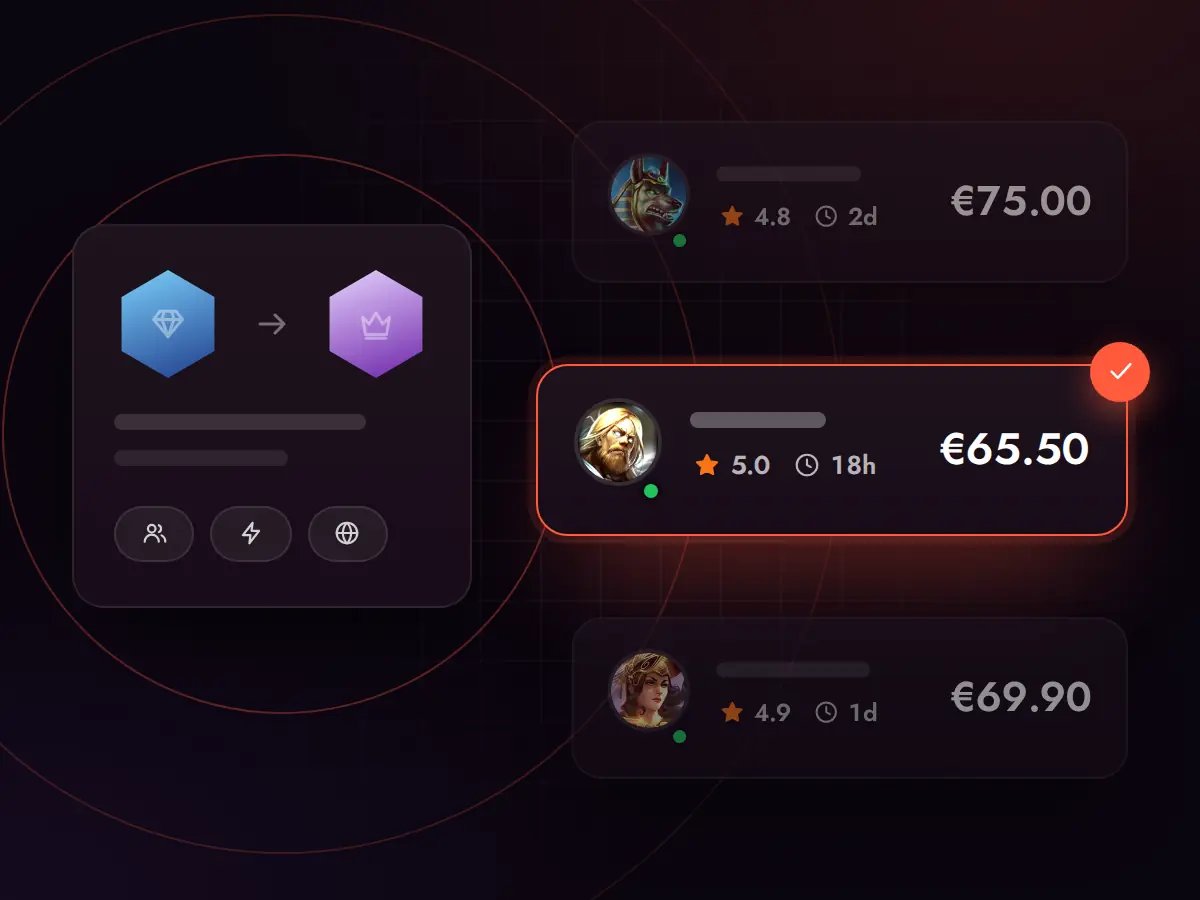
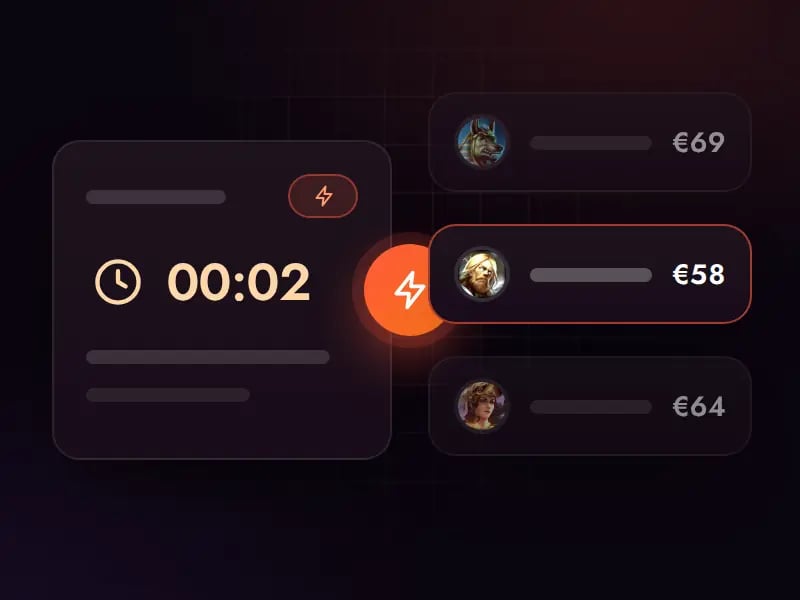
Because several verified boosters compete for the same request, prices stay close to the real effort. You see all offers side by side, compare the price, the time and the booster’s profile, and accept only the one that makes sense to you. You are never obliged to accept anything, and you can ask a booster in the chat how they arrived at their number. This is why a well-described custom request is often priced more accurately than a generic calculator.