
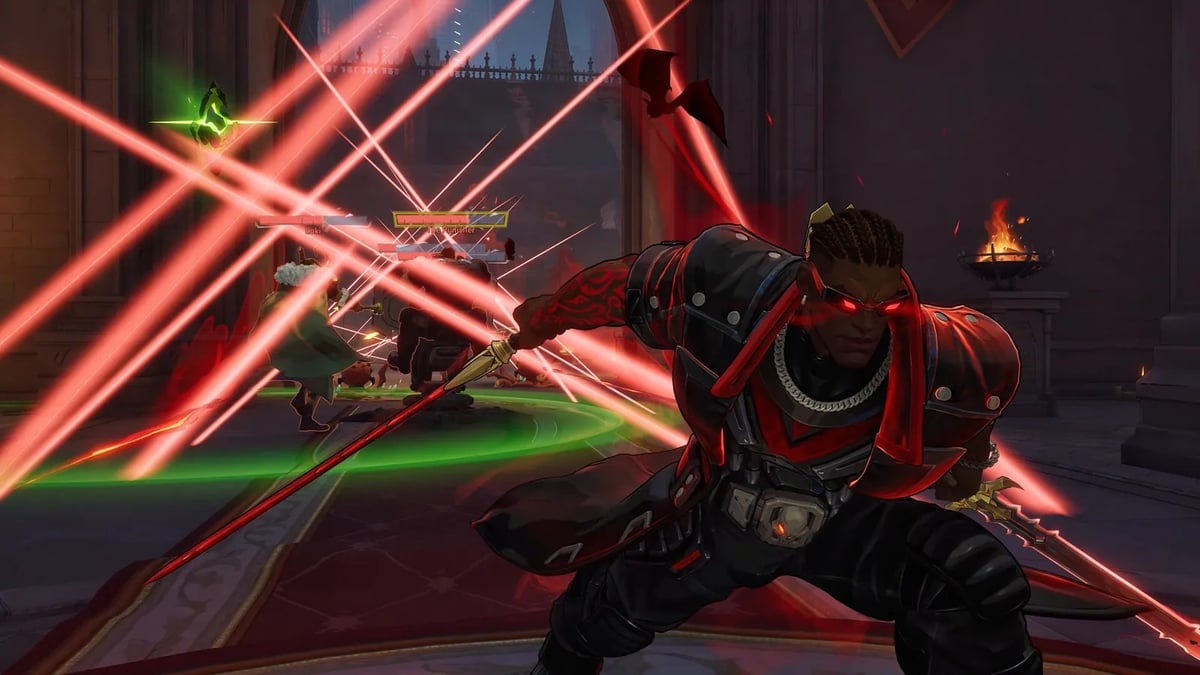
Yes. On most Marvel Rivals boosting services you can ask your booster to play specific heroes, a specific role (Vanguard, Duelist or Strategist) or a particular playstyle. Requests are usually honoured, but the narrower they are, the slower the boost can get, and some providers charge extra. Hero bans in higher ranks and team composition can still force a booster onto another pick.
Key takeaways
- Marvel Rivals has heroes, not champions: you can request specific heroes, one of the three roles or a style of play.
- A hero request on an account-sharing boost also builds that hero's proficiency and match history on your account.
- Narrow requests (one hero only, an off-meta pick) slow the climb and can raise the price; broad requests (a role, a short hero pool) cost little or nothing.
- Hero bans in higher ranks and the one-copy-per-team rule mean no booster can promise a pick in every single match.
- Put every request in writing before the order starts, so the booster agrees to it before you pay or accept an offer.
What counts as a custom request in a Marvel Rivals boost?
A custom request is any instruction you add to an order beyond the basic target (a rank, a number of wins or a set of placement matches). In Marvel Rivals the playable characters are called heroes, and every hero belongs to one of three roles: Vanguard (tanks who create space), Duelist (damage dealers) and Strategist (healers and support). Players coming from other games often say "champion" or "agent", but the request works the same way.
The common types of request are:
- Specific heroes. "Play only Magneto and Doctor Strange" or "avoid Hela on my account".
- A role. "Play Strategist every game", useful if you want your account to look like a support main.
- A hero pool. Three to five heroes the booster may rotate between, which keeps flexibility while matching your own picks.
- Playstyle. Calm, low-risk play; no voice or text chat with teammates; no flashy off-angle plays that look out of character for your account.
- Schedule and discretion. Playing only at certain hours, appearing offline or not touching your friends list.
Why do players ask for specific heroes or roles?
The reasons are practical, and knowing your own reason helps you write a request that is strict enough without being needlessly narrow.
- Hero proficiency. Marvel Rivals rewards playing a hero with proficiency progress, titles and cosmetic unlocks. On an account-sharing boost, every match the booster wins on your main hero also counts toward that hero's proficiency.
- A consistent profile. Your career stats show which heroes you play. If you are a Cloak and Dagger main and suddenly have dozens of games on a hero you never touch, friends and teammates notice. Keeping the booster on your pool keeps the profile believable.
- Playing the same role afterwards. If you will queue as Strategist once the boost ends, a rank earned on Strategist heroes is a better fit for the lobbies you will face.
- Learning from a duo booster. In a play-with boost you may want the booster on a hero that pairs with yours (a Team-Up, or a Vanguard who protects your Duelist) so you can watch how a high-rank player handles the matchup.
- Personal taste. Some players simply do not want a hero they dislike in their match history.
Which requests are easy for a booster and which are hard?
Boosters climb fastest on the heroes they know best and on whatever the match needs. Every request takes away some of that freedom, so the real question is how much.
Requests that rarely cause problems
- A role preference, when the booster is a specialist in that role.
- A pool of three or more heroes inside one role, including at least one strong or popular pick.
- Avoiding one or two heroes you dislike.
- No chat with teammates, appearing offline and a quiet playstyle.
Requests that slow a boost down
- One hero only, for the whole order.
- An off-meta or niche hero that is weak in the current balance state.
- A hero the booster does not normally play, even if they are high-rank overall.
- Strict rules on top of a hero lock (one hero, no flanking, no ultimates saved for later and so on).
The fix for a hard request is usually a looser version of it: a two- or three-hero pool instead of a single hero, or "mostly Duelist" instead of "only Black Panther". You keep most of what you wanted and the booster keeps enough room to win.
Can a booster guarantee a specific hero in every match?
No, and a service that promises it is not being straight with you. Marvel Rivals has two rules that sit outside anyone's control:
- One copy per team. Each hero can be picked by only one player per team. If a teammate locks your requested hero first, the booster has to pick something else or play the match without it.
- Hero bans in higher ranks. From the upper ranks the draft includes a ban phase, so a requested hero can be removed from a match entirely.
Team composition matters too. A lobby with no Strategist or no Vanguard often loses, and a booster told never to fill a role is accepting worse odds in those games. A sensible request includes a fallback: "play my pool when available; if it is taken or banned, play another hero from the same role". That one sentence prevents most disputes.
Do custom requests change the price or the time a boost takes?
They can, depending on how narrow they are. Prices in Marvel Rivals boosting are driven by the rank distance, the target rank, solo or duo delivery and extra options, and hero or role requests are one of those extra options on many services. A broad request (a role or a short pool) is often free or cheap. A single specific hero, especially a weak one, is usually where a surcharge appears, because it lowers the booster's win rate and stretches the number of games needed.
Time follows the same logic. Every match lost because the booster was locked to an unsuitable hero is a match that has to be won back. On a long climb, a strict one-hero rule can add many extra games compared with an unrestricted order; on a short boost the difference is small. Expect the booster to give you an honest estimate once they see the request, and treat a quote that ignores a strict request as a warning sign.
If your real goal is levelling one hero rather than climbing, a dedicated Marvel Rivals Hero Proficiency Boost fits better than a rank boost with a hero lock, because the order is priced and planned around that hero from the start.
Is a hero or playstyle request different in solo and duo boosting?
Yes. The two delivery methods handle requests in different ways.
- Solo (account sharing). The booster logs into your account and plays the matches. Hero and role requests apply directly to your profile: proficiency, match history and career stats all reflect what the booster played. This is where a request to stay on your own hero pool matters most, both for discretion and for a believable profile.
- Duo (play-with-booster). You play on your own account and the booster queues with you on theirs. Your heroes are yours to choose; the request is about what the booster plays next to you. The common ones are a complementary role (a Vanguard to shield your Duelist), a Team-Up partner or a hero you want to learn by watching.
Duo boosts are also limited by rank-gap rules for grouping in competitive play, so a duo with a booster far above your rank may not always be possible. That affects which booster can take the order, not which heroes they play, but it is worth checking before you write a long list of requests.
How do you make a custom request on a boosting marketplace?
On a marketplace such as Boosting24, many boosters see your order and send offers, and you choose one. That makes requests easier to handle than on a fixed-price shop, because each booster reads your notes before quoting and can price them in or decline.
- Write the request in the order notes. List heroes by name, the role and the playstyle points. Put your most important rule first.
- Add a fallback. Say what the booster should do if a hero is taken or banned.
- Read each offer against your notes. A booster who mentions your heroes in their offer, or shows matches on them, has clearly read the request.
- Confirm in chat before the start. Use the order chat to agree on anything unclear. A written agreement on the platform is your evidence if something goes wrong.
- Check the match history as it goes. Your in-game career page shows which heroes were played, so you can spot a broken request early and raise it while the order is still running.
If you want the booster to explain why they play a hero a certain way, ask for that too. Some boosters are happy to talk through decisions during a duo, and if teaching is the main goal, Marvel Rivals Coaching on your chosen hero gives you that focus without the pressure of a rank target.
What should you avoid asking for?
Some requests are bad for your account, unfair to other players or simply not deliverable. Leave these out:
- Anything involving cheats, scripts or macros. A legitimate booster refuses, and it puts your account at real risk of a ban.
- Throwing or deliberately losing matches (for example to manipulate placement or matchmaking). It breaks the game's rules and harms the other players in the match.
- A guaranteed result with a guaranteed hero. Nobody controls bans, teammates or match outcomes.
- Requests you will not stand behind later. If you add a rule mid-order, expect the booster to update the estimate.
Keep in mind that any boosting, with or without requests, can breach the game's terms of service. Staying on your own heroes and a calm playstyle makes the account look consistent, but it does not remove that risk. A trustworthy service tells you this plainly rather than calling anything risk-free.
What does a good custom request look like?
A clear request is short, ranked by priority and has a fallback. For example:
- "Role: Strategist only. Pool: Luna Snow, Mantis, Invisible Woman. If all three are taken or banned, any Strategist."
- "Please do not use voice or text chat, and appear offline."
- "Avoid Hela and Hawkeye on my account."
Compare that with "play like me", which no booster can interpret. Concrete hero names, one role and a clear fallback give the booster something to agree to, and give you something to check against when the order is done.
Frequently asked questions
Can I pick the hero my booster plays in Marvel Rivals?
Yes, most services let you name heroes or a hero pool. Bans in higher ranks and the one-copy-per-team rule mean the booster may sometimes need a fallback pick.
Will hero requests slow down my boost?
A role or a pool of several heroes barely changes the pace. A single hero, especially a weak one, can add noticeably more games to the order.
Can I ask the booster to play only one role?
Yes. Role requests (Vanguard, Duelist or Strategist) are among the easiest to deliver, especially when you pick a booster who specialises in that role.
Does a hero request cost extra?
On many services a broad request is free and a strict single-hero request carries a surcharge. On a marketplace, each booster prices your request into their offer.
Will a boost on my main hero raise its proficiency?
On an account-sharing boost, yes: matches the booster plays on that hero count on your account. In a duo boost only your own matches on your own heroes count.