




Teamfight Tactics is an auto battler from Riot Games, and if you haven't tried it yet, you’re missing out on one of the most competitive and addicting strategy games out there. Since its launch on June 26, 2019, Teamfight Tactics (TFT) has carved out its own place in the strategy genre, taking what people love about League of Legends and spinning it into a whole new beast. Available on Microsoft Windows, macOS, iOS, and Android, there's no excuse for not jumping in—and yet, a lot of players still struggle with the basics.
Misreading the Core: What "Auto Battler" Actually Means
Ask around and you’ll hear the same complaint: “I just got unlucky!” But in Teamfight Tactics, the round-based system isn’t just about luck. Your team fights automatically, but what happens on the board is all about the choices you make before the round starts. Most players get this wrong. They focus on reacting, not prepping. The auto battler genre rewards proactive planning—positioning, team composition, and item distribution are all set up before the fight. If you’re waiting to see what happens instead of making it happen, you’re going to lose out to the players who actually plan ahead.
Ignoring the Power of 8-Player Free-for-All
TFT is not a 1v1. You’re up against seven other opponents every game, and that changes everything. Too many players treat it like a solo adventure. The reality: scouting what the other seven are building, contesting key units, and predicting what comps will be hot or contested are what separates the good from the mediocre. If you’re not tracking your opponents and you’re just building in a vacuum, you’re handing over free wins.
Forgetting to Adapt with Every New Set
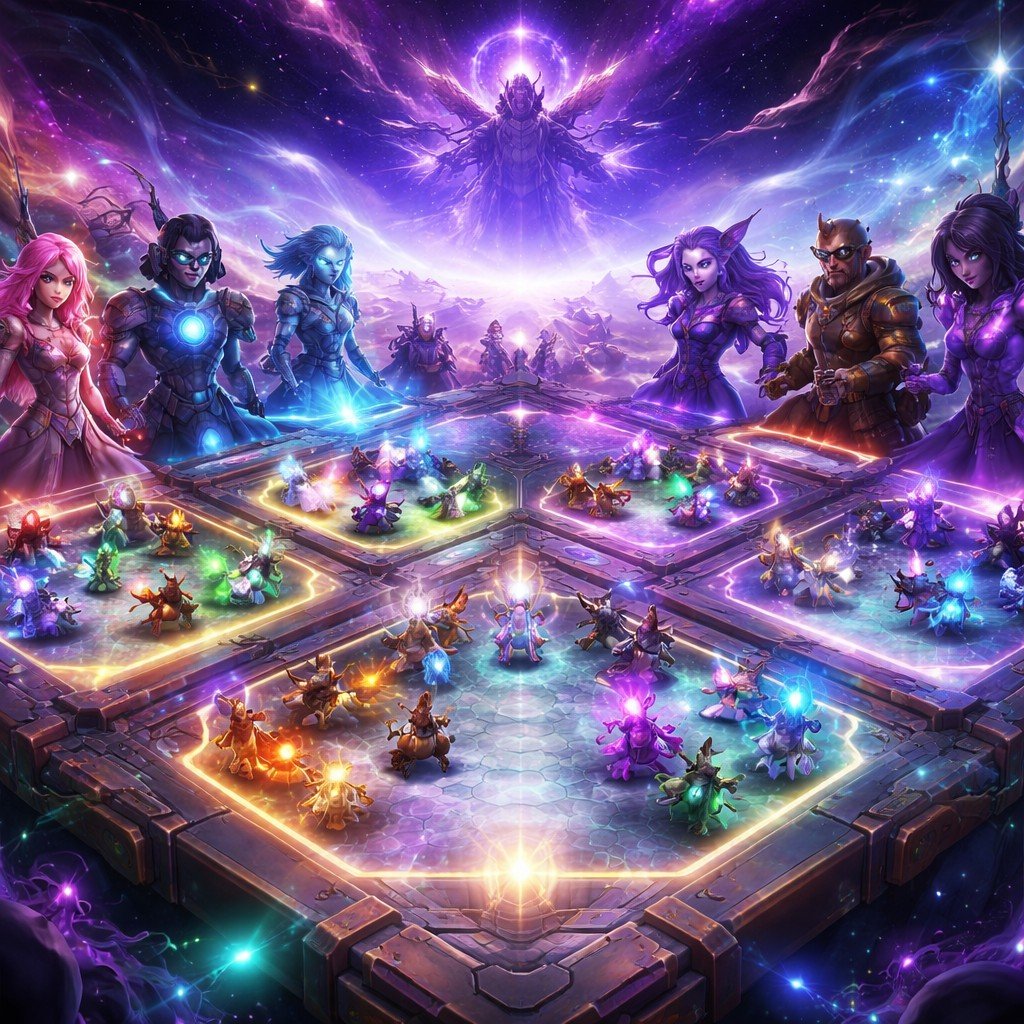
One thing that makes Teamfight Tactics stand out is its constant evolution. New sets drop regularly, each bringing unique champions and mechanics. If you’re still clinging to what worked last set, you’re already behind. Set 17: Space Gods is coming, and while details are still under wraps, what’s guaranteed is that the meta will shift and new mechanics will shake up the game. Every set is a hard reset for the meta, so refusing to adapt is the fastest way to tank your ranked climb.
Neglecting Ranked Mode as a Training Ground
Too many players treat ranked like it’s only for the tryhards. That’s just wrong. TFT’s ranked competitive mode is where you actually learn what works and what doesn’t, because the stakes are real. If you’re not queuing up ranked, you’re missing out on real feedback and a shot at improvement. And let’s be honest, nothing feels better than seeing your rank go up after a hard-fought session. For those who want to speed up the grind, getting a tft boost is always an option if you’re stuck in elo hell and tired of solo climbing.
Adapting: The Only Way to Survive the Set 17 Shift
If you want to stay competitive in Teamfight Tactics, especially with Set 17: Space Gods on the horizon, you have to make adaptation your main skill. Every patch, every set, the core gameplay loop stays the same—build a team, fight seven others, be the last one standing—but the details change, sometimes drastically. The best players don’t just memorize comps; they learn how to pivot, scout, and adjust when the new set lands. If you’re serious about climbing, investing in League of Legends Coaching focused on TFT can make a massive difference. Why waste time relearning the ropes every set when you can get ahead from day one?
One Thing to Do Differently in Your Next Session
Next time you queue up, forget about your last set’s favorite comp. Instead, scout your seven opponents, adapt your build, and play the board you’re given. Stop playing on autopilot—outthink, out-adapt, and watch the wins pile up.